


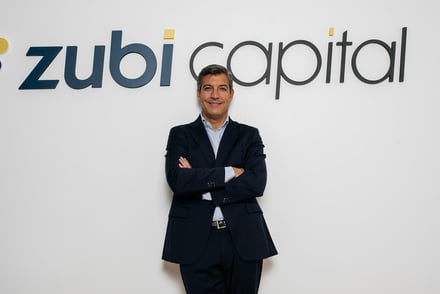
Interview with José Manuel Juan F., CEO & Co-founder of Gandolapp
.jpg?width=649&height=480&name=foto%202%20(1).jpg)
Meet Gandolapp: in this interview, the team tells us how their solution came about after realizing that, while ports and terminals are advancing toward digitalization, truck drivers still depend on phone calls, paper documents and improvised translations at the most critical moment of the operation. We invite you to read the full interview and discover why, for them, the future of port logistics can be summed up in one phrase: the cab connected to the port.
1. What was the exact moment you said "this has to exist"? What problem drove you to create your solution?
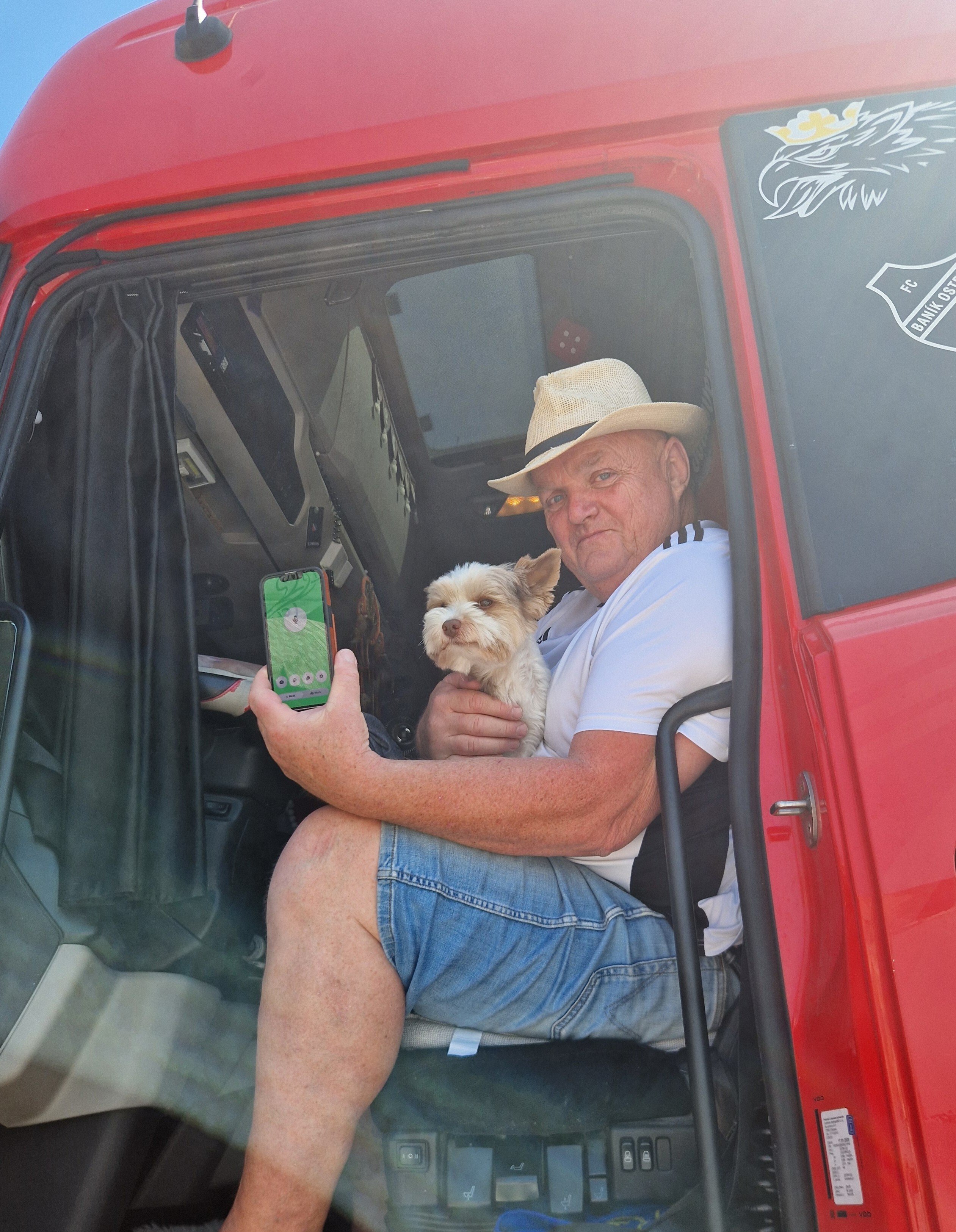
The moment came when we realized that a critical part of the port supply chain still relied on phone calls, WhatsApp messages, paper documents and improvised translations right at the point where the truck enters the operation. A port can have very advanced systems for terminals, shipping lines and operators, but the land-side link -the driver, the fleet and last-minute coordination- is often left out of that intelligence. Gandolapp was born from that conviction: if we want more agile ports, we also need to digitalize and support the driver's real experience on the road, at the port entrance, during waiting times, with documentation and communication with the company.
2. How did you get into the port logistics sector? What discovery surprised you most once you saw it from the inside?
We came into the port logistics sector from road transport, listening to drivers and fleet managers who deal every day with the pressure of meeting time slots, regulations, documentation and last-minute operational changes with very little visibility. The port environment showed us very clearly where the problem is concentrated: thousands of trucks, multiple stakeholders, incidents that change planning on the fly, and a huge need to communicate with the driver in real time and in their own language. What surprised us most was discovering that the efficiency of such a sophisticated infrastructure can hinge, at the decisive moment, on a driver receiving a simple, actionable instruction in time.
3. What number or indicator do you look at every day to know if the business is really on the right track?
We pay special attention to the operational friction we remove from each trip: how many orders move forward without unnecessary phone calls, with a visible ETA, digitized documentation and a driver informed in real time. In port land transport, a key metric is the truck's cycle time around the port -arrival, waiting, access, loading or unloading and departure- along with the rate of incidents communicated and resolved without having to chase information by phone. If we manage to get more trips coordinated with fewer calls, less paper, shorter waits and better compliance with time slots, we know the product is generating real value.
Finally, we look at the well-known Daily Active Users (DAU) metric for the mobile app for truck drivers, since it matters to us that drivers see our app as a solution for most of their day-to-day route tasks, communications and transport management.
.jpg?width=4000&height=3000&name=Foto%203%20(1).jpg)
4. What question are you never asked in pitch decks or meetings (... and that you should always be asked to understand the impact of your solution)?
The question we wish people would ask us more often is: "what needs to change in the driver's day for the port to actually become more efficient?" Many conversations about port innovation stay at the level of systems, dashboards or integrations between organizations, but the operation also plays out inside the cab. If the driver doesn't understand the instruction, doesn't know there's an incident, can't check a document, or isn't sure what to do at a gate, the whole chain slows down. Our impact lies precisely in translating that ecosystem intelligence into clear actions for the person physically moving the goods.
5. What advice would you give someone who wants to start a business in the port logistics sector today?
Spend time on the road, at the access gates, in truck parking areas and with traffic teams before designing the solution. The port logistics sector doesn't need more technology that's disconnected from the operation; it needs tools that reduce friction in environments full of pressure, noise, different languages, regulations and strict time slots. We'd also say you need to build trust with every stakeholder: driver, operator, port, terminal, shipper and fleet manager. In this sector, a good solution isn't just one that works in a demo, but one that holds up on a driver's real day and integrates with the systems that already coordinate transport.
6. Tell us something surprising about your solution.
Something that tends to surprise people is that Gandolapp isn't just an app for drivers or just a portal for fleets: it's a coordination layer between the road and logistics nodes. We can turn a transport order, a Port Community System incident, a documentary instruction, an eCMR or a parking recommendation into useful information for the driver, even by voice and in different languages. One example that captures very well what we do is a driver being able to check procedures, safety instructions or route information without calling traffic control and without leaving the cab. That simplicity of use is what allows a complex operation to flow better.
%20(5)%201.png "Logo FV (Vertical) (5) 1")