


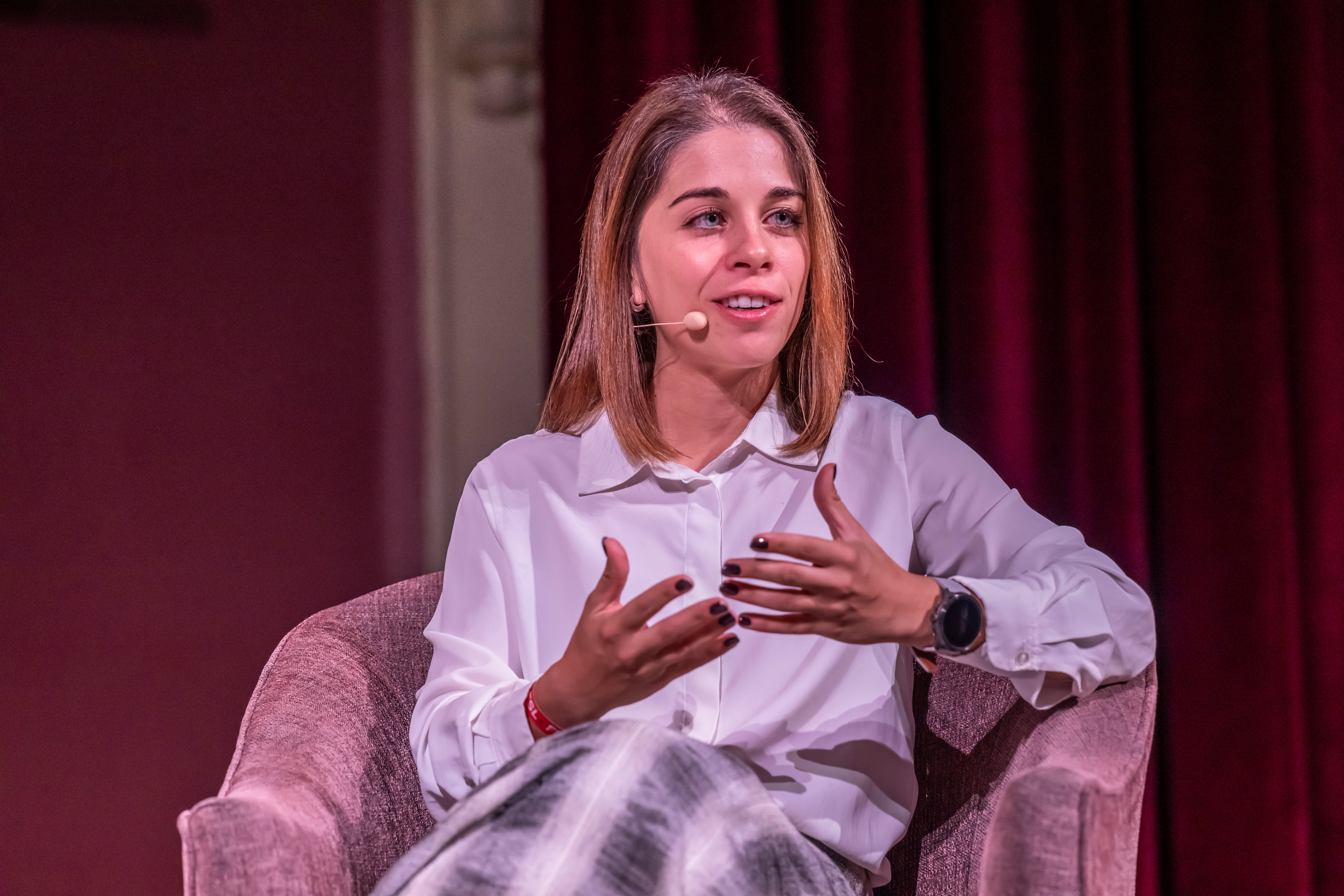
Interview with Silvia Antón Sempere, Co-founder and COO of Medalgae
1. What problem drove you to create your solution?
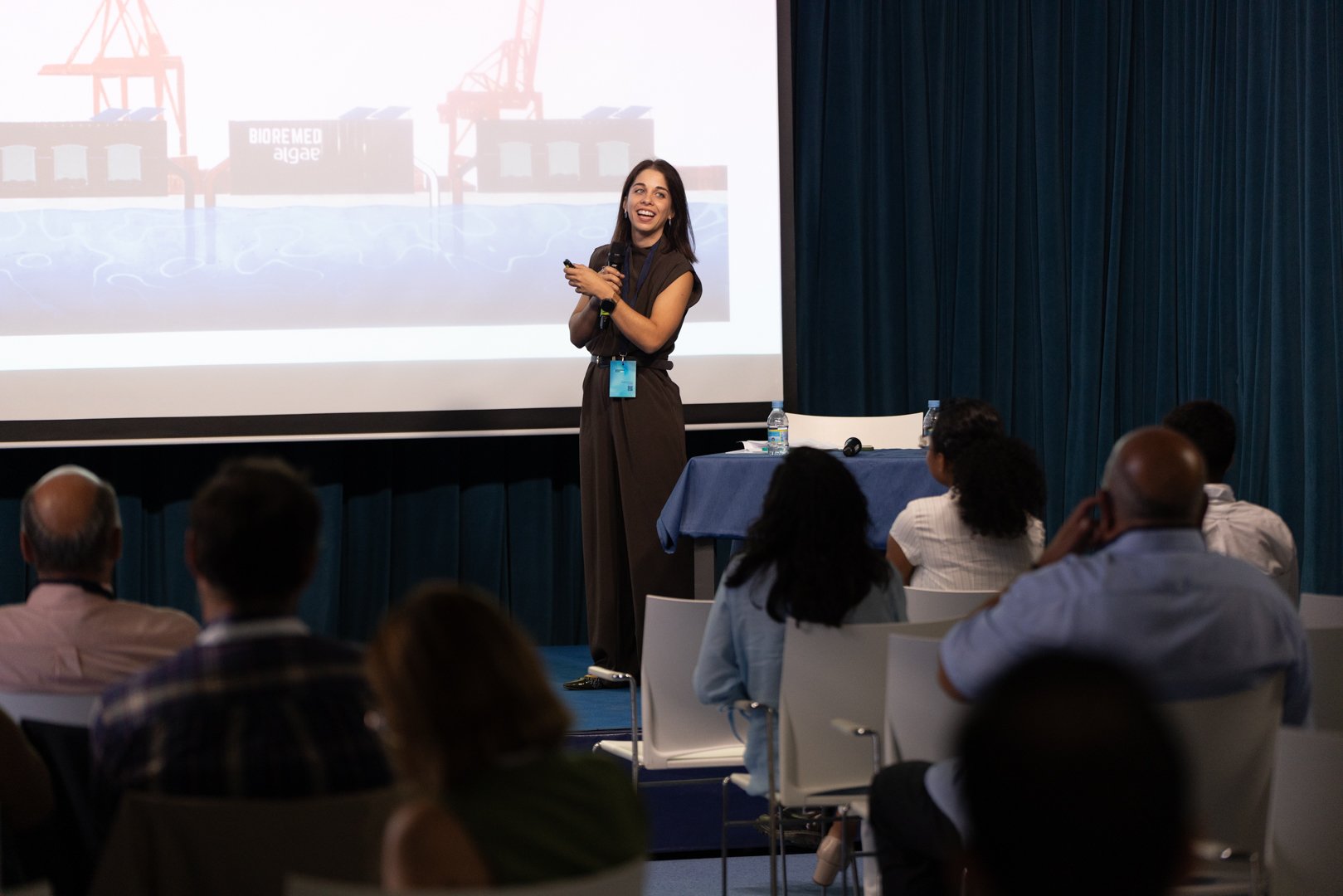
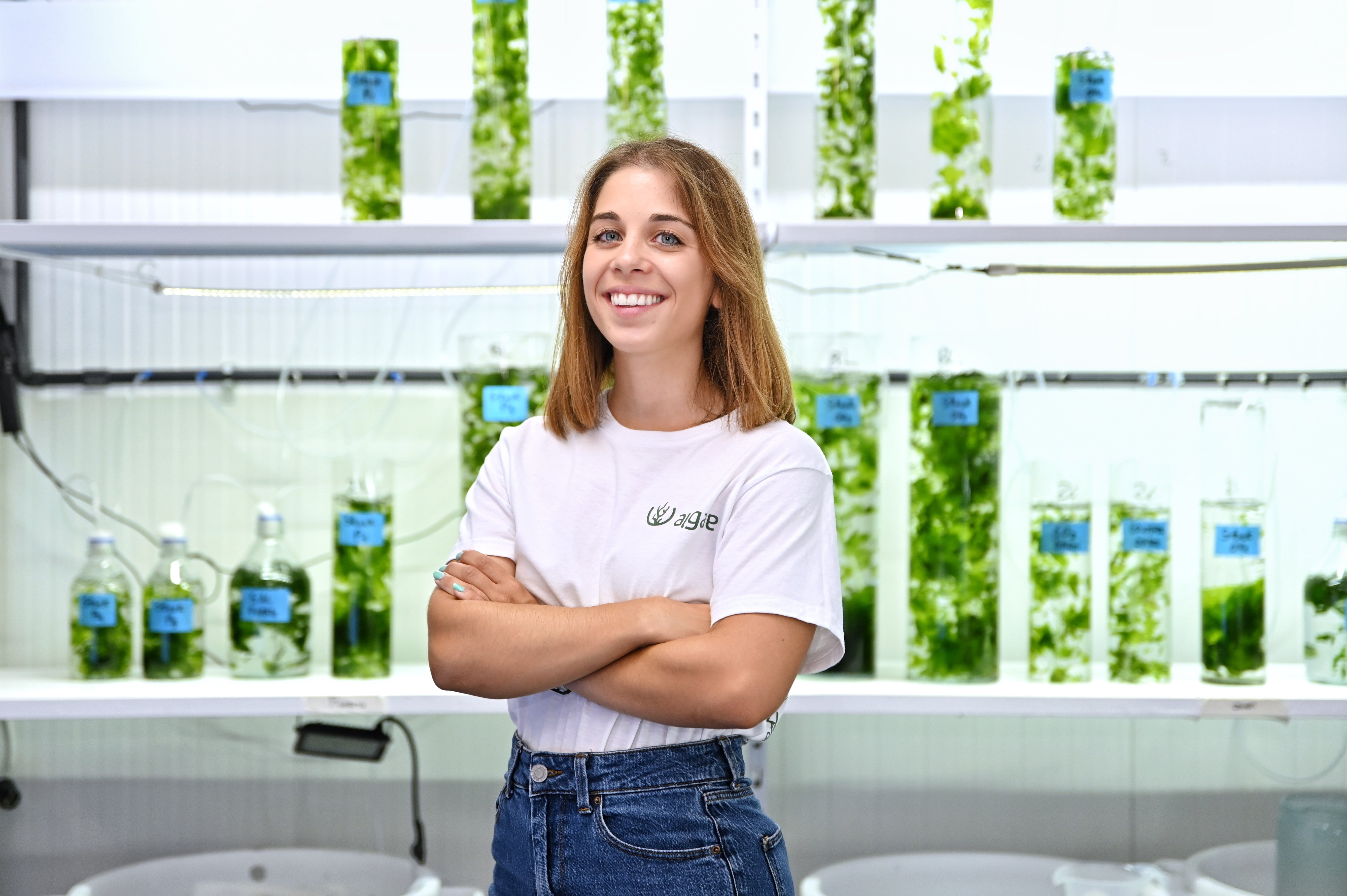
It all started with a question: if macroalgae are an essential resource in Asia, why don't we see them the same way in Spain, a country surrounded by coastline? We wanted to change that perception by putting algae to work where they were needed most: in port waters, with our BIOREMED ALGAE® bioremediation system. Once we entered ports, we saw that improving the water wasn't enough if it wasn't properly managed. Although regulations are met, there is no real control over how water quality is managed. Measurements are one-off, each system works on its own, operations aren't connected and the data doesn't help decision-making. That's why algae became part of something bigger: a climate infrastructure that brings measuring, acting and deciding together in a single system.
And that way of working, connecting pieces that used to be separate, owes a lot to a female perspective, on this day when we celebrate women's entrepreneurship: looking at the whole, not just the part. In a sector as technical and traditionally male-dominated as the port sector, that perspective brings exactly what was missing.
2. How did you come to the logistics and port sector?
We came out of necessity: to prove that BIOREMED ALGAE® worked, we had to test it in real conditions. Our gateway was Ports 4.0, in its Ideas category, with a project alongside the Port of Alicante to validate the system in its waters. That first pilot opened up the sector to us, and today we continue to work with the Port Authority of Alicante. What surprised us most from the inside was the port sector's need for innovation. There are many environmental and operational challenges still without a solution, and ports are a very rich ecosystem constantly looking for someone to help solve them
3. What number or indicator do you look at every day to know whether your startup's business and progress are really on the right track?
Beyond revenue, we look at the ocean data we generate. Each data point tells us what the sea is like at that moment and allows us to act in time. With our current network of stations in ports and marinas, we have the capacity to generate 5.6 million ocean data points a year, and the goal is to keep expanding it. For us, that's the sign we're on the right track: the more data, the greater the ports' ability to anticipate
4. What question are you never asked in pitch decks or meetings (... but should always be asked to understand the impact of your solution)?
“What do you bring to a port that has no problems with its water?”
It is almost always assumed that we're there to fix something, but much of the value lies in prevention. Continuous measurement makes it possible to show that the water is fine, to have a reliable baseline and to detect any change before it becomes a problem. The same goes for any infrastructure: you don't wait for it to fail before you have it
5. What advice would you give to those who want to become entrepreneurs in the logistics and port sector, especially women, girls and female entrepreneurs who wish to do so?
Seize the moment, because the port sector needs innovation and that opens up many opportunities. It's true that it is a very technical and still highly male-dominated sector, and it can feel intimidating at first. My advice is to take the time to understand how the port works from the inside and to ask the right questions: what worries the port, what remains unsolved and where you can truly add value. If you add results that back up what you propose, a fresh perspective becomes a differentiating value for the sector.
6. For those who don't know you yet… Tell us something surprising about your solution
One of our most unexpected clients isn't a port, but a sailing race: The Ocean Race. One of the most important sailing competitions in the world, starting in Alicante, already monitors the sea with POSINODE and checks the state of the water in real time. For us, it sums up what we do perfectly: ocean data isn't just a matter for ports, but for anyone who makes a living from the sea and wants to understand it.
7. If you had to sum up the future of women and female talent in logistics and port innovation in one short sentence, what would it be?
From guests to essential:
For years, many of us women have come to the port sector as guests: to a meeting, to a project or to a table where we weren't the majority. That is changing. The future is one where our presence doesn't depend on an invitation, but on what we bring: innovation, new perspectives and solutions the sector needs. That's where we become essential.
Post published on 19 November 2026, on the occasion of International Women's Entrepreneurship Day.